

14 Oct Residential Security in Virginia: Clear Visitor Access Procedures
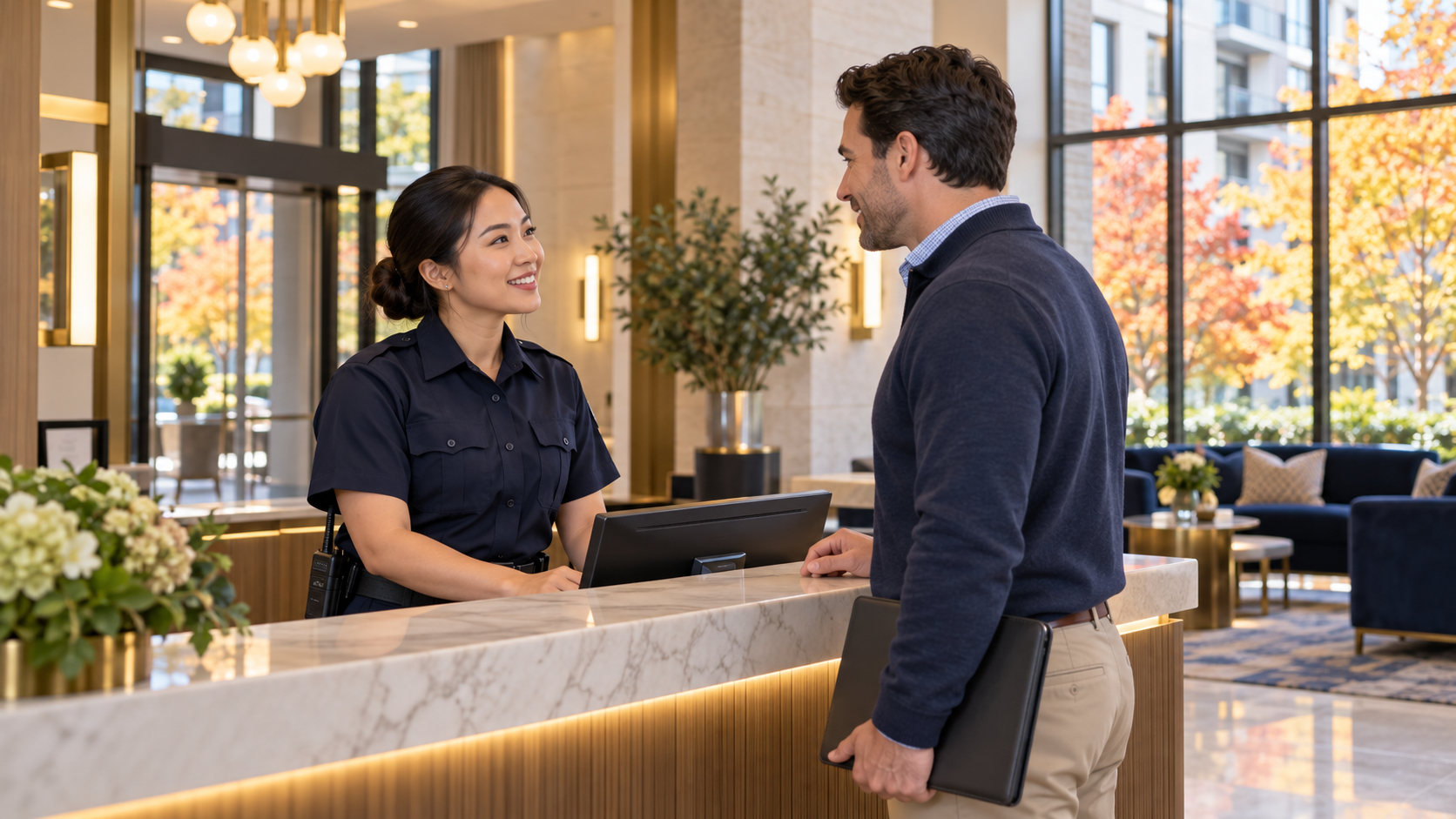
A residential community should feel welcoming to residents and their guests while maintaining a clear process for visitor access. That balance becomes harder when instructions are unclear, authorizations are outdated, or staff members receive conflicting requests. A consistent procedure helps the management team and security personnel handle ordinary arrivals with greater confidence and professionalism.
Residential security in Virginia should reflect the specific property and the people who use it. An apartment lobby, condominium entrance, and neighborhood gatehouse can have different workflows. Before discussing staffing, review how visitors are expected to arrive, who approves access, and how questions reach the person responsible for making the decision.
Start with the resident experience
Think through an ordinary visit from the guest's perspective. A person may be arriving for the first time and may not know the entrance, check-in process, or information the property requests. Clear resident communication can reduce confusion before arrival. Explain the approved procedure in language that residents can share without needing to interpret it themselves.
Ask how the process accommodates different legitimate visits, including social guests and scheduled service appointments. The goal is a consistent framework rather than an improvised response to each person. Review the procedure with the security provider so a courteous welcome and the property's access requirements are understood as parts of the same assignment.
Identify who can authorize access
Management should establish the approved decision process and explain which parties can authorize a visit or resolve an exception. Security personnel need current instructions that distinguish their assigned duties from management decisions. A guard should not have to invent a community policy because two people describe different expectations at the entrance.
Keep the approval process clear when management is unavailable. Discuss how unanswered requests are handled and who receives the follow-up. An escalation contact is useful only when that person understands the responsibility. Confirm the arrangement with the people involved and include a method for updating it when staffing or management responsibilities change.
Keep temporary arrangements current
Move-ins, maintenance visits, resident gatherings, and other temporary activities may need additional coordination. Review how those arrangements are approved, communicated, and concluded. A procedure should make it clear when a special authorization applies rather than leaving personnel to infer its duration from an old message or an incomplete note.
Encourage residents to communicate planned changes through the approved channel. Explain what information management needs and how far in advance requests should be discussed when possible. The exact process belongs to the property. What matters is that residents, staff, and the security provider work from the same current instructions instead of separate informal understandings.
Make courtesy part of the procedure
Visitor access involves communication as well as administration. Discuss how personnel explain the next step, ask for clarification, and refer concerns without making an ordinary arrival unnecessarily uncomfortable. A calm explanation of the property's process can help a guest understand what is needed even when an authorization has not yet been confirmed.
If residents have recurring questions, look at the procedure itself rather than assuming every misunderstanding is a personnel issue. The instructions may be difficult to find or may use terms that mean different things to different people. Updating a resident notice can sometimes address confusion more effectively than repeating the same unclear explanation at the entrance.
Handle visitor information thoughtfully
Determine which information the approved process requires and how it is handled. Discuss access to records, authorized sharing, and the property's retention practices with the appropriate decision makers. Security personnel should follow those instructions rather than collecting additional personal details simply because they might seem useful. Keep records connected to a defined operational purpose.
Avoid placing visitor details where unrelated people can easily read them during check-in. Review the physical arrangement and any tools used for the process with the provider. If management plans to change a system, discuss how the new workflow affects staff and residents before implementation. A change in technology still needs clear instructions and responsibilities.
Coordinate arrivals with the wider property
The entrance is one part of the community's daily activity. Deliveries, maintenance, parking questions, and resident events can overlap and create competing demands. Discuss which duties are included in the security assignment and how personnel communicate when a request belongs with another team. Clear boundaries help avoid confusion about who should take the next step.
Consider accessibility and resident assistance needs when reviewing the process with appropriate property representatives. Ask whether the approved arrival instructions are understandable and practical for the community. Do not assume that a procedure copied from another property suits the building's layout, management arrangements, or the everyday needs of its residents and visitors.
Review a common exception in advance
Imagine a resident expects a contractor, but the arrival time changes and the person responsible for authorization has not been notified. A useful procedure explains how the request reaches the correct contact and what information is recorded. It does not require the guard or visitor to guess which version of the arrangement is current.
Discuss this kind of example during planning with management and the provider. Identify any unclear responsibility and update the written process before the next similar visit. Keep the discussion focused on improving coordination rather than promising that a procedure can eliminate every delay. A workable system supports consistent decisions while allowing questions to reach the right person. Keep the current resident communication, management contacts, and service instructions aligned. When one changes, review the others for related updates. A small correction made consistently across those materials can help prevent the same question from resurfacing at the entrance every time a different person handles the arrival.
Review the service as the community changes
Periodically ask residents and management where confusion occurs. Review relevant reports with the provider and identify practical updates to communication or instructions. If occupancy, property use, or event activity changes, reassess the assignment rather than assuming the original scope remains sufficient. Confirm any service changes, scheduling, and availability directly before relying on expanded coverage.
Arseas Security offers residential security services within its Virginia service area. Call (703) 731-0261 or visit VirginiaSecurityGuardServices.com to discuss your community's needs. Share the property type, desired coverage, and visitor access concerns so the team can review the proposed assignment and confirm the next steps.